


The American publication The Wall Street Journal published material about a large classified defense plan that Germany developed in case of a possible war with Russia. The document was prepared for about 2.5 years by a group of a dozen high-ranking officers and consists of 1,200 pages.
Source: Censor.NET
The plan describes in detail the logistics of transferring 800,000 troops from Germany, the United States, and other NATO countries to the east. It refers to routes through ports, rivers, railways, and highways, as well as the supply and protection of troops during movement.
Forecasts of a possible Russian attack

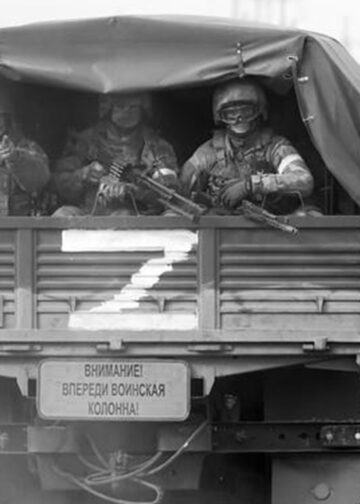
Earlier, German officials spoke about the likelihood that Russia might be ready to attack NATO in 2029. However, a wave of sabotage, espionage incidents, and violations of European airspace may indicate that the Kremlin is preparing to act earlier.
Analysts also note that a potential ceasefire in Ukraine could free up Russia’s military resources for aggression against NATO members — at a time when U.S. President Donald Trump is strengthening the line on reinforcing NATO’s defense.
Infrastructure problems
The plan separately highlights weak points in infrastructure. According to Berlin’s estimates:
- 20% of German highways require repairs,
- more than a quarter of bridges are in unsatisfactory condition,
- ports in the North and Baltic Seas require €15 billion in modernization, including €3 billion for strengthening dual-use berths.
WSJ notes that such limitations will significantly complicate the movement of troops in the event of a major conflict.
Legislative barriers
Current laws and bureaucratic procedures also affect the country’s ability to counter sabotage — one of the key risks identified in the plan.
Despite this, the Bundeswehr emphasizes that progress is significant:
“Considering that we started from a blank sheet at the beginning of 2023, we are very satisfied with where we are today. This is a very complex product,” the publication quotes one of the document’s developers.
At the same time, stress tests show many uncertainties — in particular, regarding how much time Europe has to prepare for potential aggression.



Discussion about this post