


The Managing Director of the International Monetary Fund, Kristalina Georgieva, warned that a prolonged conflict in the Middle East could seriously affect the global economy, causing market fluctuations, rising inflation, and slowing economic growth. This was reported by Bloomberg.
Source: “Espreso”
According to her, the prolonged escalation creates new challenges for the economic policies of different countries. “If a new conflict proves to be prolonged, it has a clear potential to affect market sentiment, growth, and inflation, placing new demands on policymakers,” Georgieva said during a symposium in Tokyo on March 9.
She emphasized that even after the end of hostilities, the world could face new shocks. “In this new global environment, think the unthinkable and prepare for it,” the IMF chief urged.


According to the Fund’s estimates, if energy prices rise by 10% and remain at that level for a year, global inflation could increase by approximately 40 basis points, and economic growth would slow. Georgieva called on governments to strengthen domestic economic policies and institutions to respond effectively to potential crises.
Rising tensions in the Middle East have already affected markets: oil prices have jumped to $120 per barrel due to risks to transport routes and energy infrastructure. Additional pressure was created by the decision of the United Arab Emirates, Kuwait, and Iraq to reduce oil production due to full storage facilities and the effective blockade of the Strait of Hormuz.
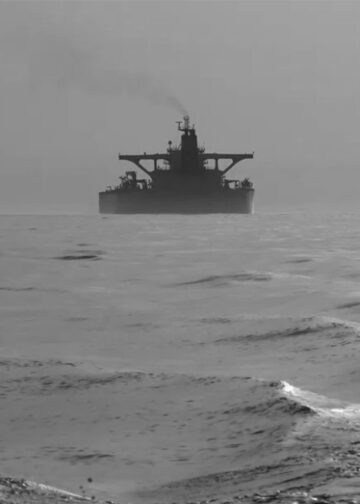
Georgieva noted that maritime traffic through the Strait of Hormuz has already decreased by approximately 90%. About one-fifth of the world’s oil supply and a significant portion of liquefied natural gas trade pass through this route. The strait provides roughly half of Asia’s oil imports and about a quarter of global LNG supplies.


Discussion about this post