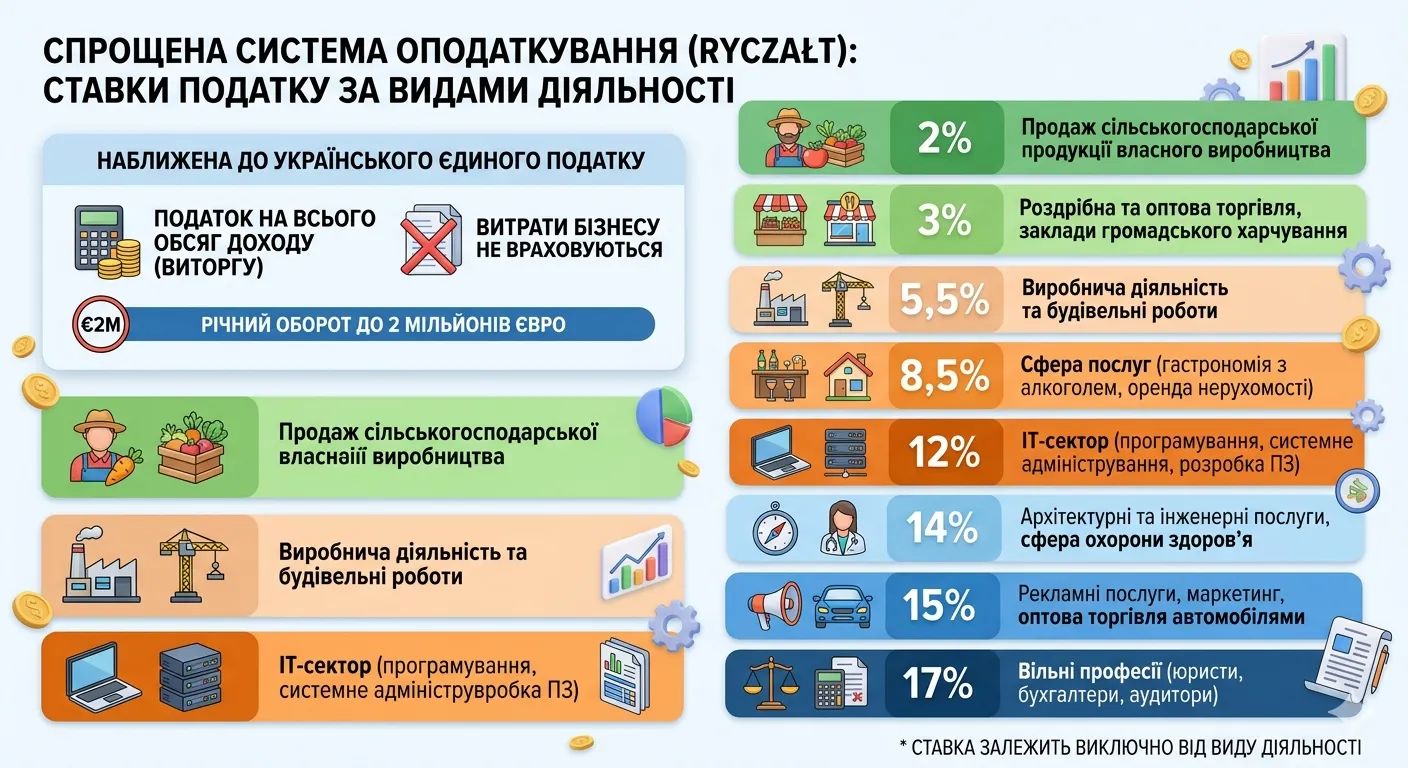
In Ukraine, after the end of the war, a significant reform of the simplified taxation system is planned, with a transition of sole proprietors (FOPs) to the so-called “Polish model.” It provides for higher income limits for small businesses, but also the introduction of differentiated tax rates depending on the type of activity and the volume of income.
Source: OBOZREVATEL
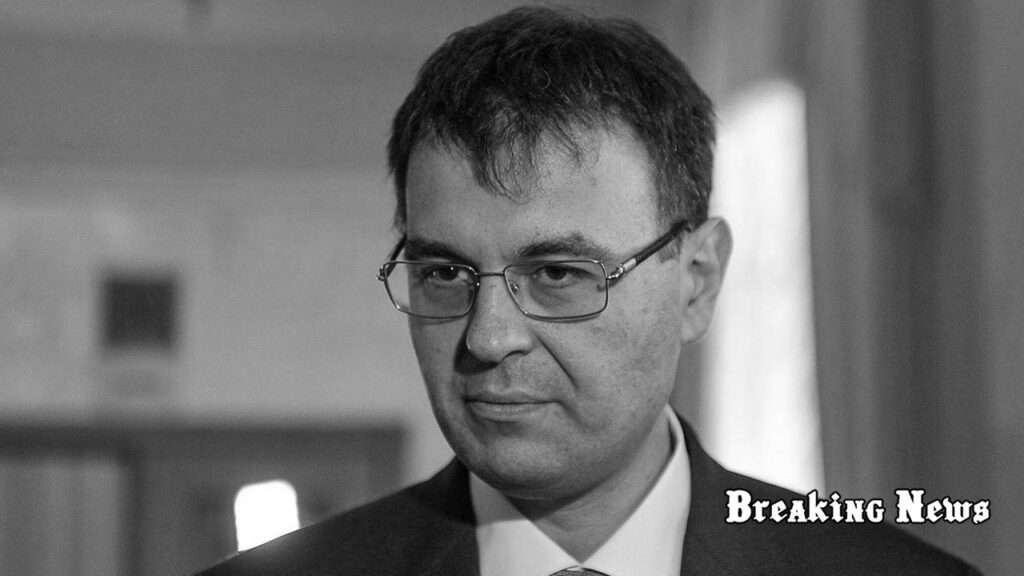
This was stated by the head of the parliamentary committee of the Verkhovna Rada on finance, tax and customs policy, Danylo Hetmantsev (“Servant of the People”), in an interview with Speka.
According to him, the simplified system should remain exclusively for small businesses, while the new model should make it impossible for large companies to use FOPs to “split” their business.
Hetmantsev noted that the National Revenue Strategy already includes an approach similar to the Polish one. It provides for increasing the income limit for the simplified system to €2 million, introducing different tax rates depending on the sector of activity, and unifying approaches to VAT.
“On the one hand, it provides a significant increase in the limit up to €2 million, and on the other hand, differentiated tax rates depending on the type of activity and income,” he explained.
At the same time, the official stressed that no changes are planned before the end of the war.
Separately, he criticized the current VAT threshold system, stating that Ukraine effectively has different rules for different forms of business, which creates tax evasion risks. In his view, a single threshold should apply to all businesses — whether FOPs, LLCs, or large corporations.
The Polish tax model on which the reform is based provides for significantly higher income limits (up to €2 million) and different rates depending on the sector: lower for trade and manufacturing, and higher for services. The main principle of the system is income transparency and full legalization of turnover.
In Ukraine, FOPs of the third group currently pay a 5% single tax on income, plus a 1% military levy and a minimal unified social contribution (USC). The general taxation system for employees involves significantly higher payroll deductions, which, according to experts, sometimes encourages informal employment.