
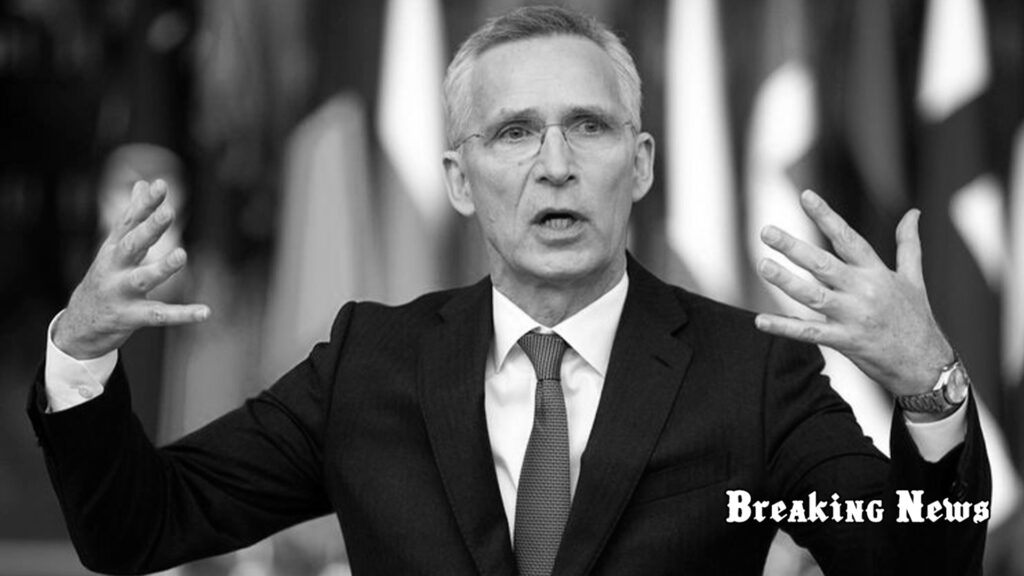
Former NATO Secretary General Jens Stoltenberg stated in his memoirs that in the fall of 2021 he was prepared to discuss with Russia the creation of a “buffer zone” in Eastern Europe, which could have involved the withdrawal of Alliance troops from parts of the region, including the Baltic states.
Source: Gazeta.UA
The negotiations took place without informing certain allies. Poland and the Baltic countries opposed any concessions to Russia. Stoltenberg considered a return to the 1997 security architecture, which would have effectively weakened NATO’s eastern flank, but Moscow rejected the proposal, aiming for full control over the region.
In his memoirs, Stoltenberg explains that his approach was influenced by his father, Thorvald Stoltenberg, who supported dialogue with Moscow even during the Cold War. He also sought to maintain contacts with Russia after the annexation of Crimea in 2014.
Stoltenberg notes that the threat of the U.S. leaving NATO was real, which could have quickly undermined the Alliance. At the same time, under President Donald Trump, the U.S. strengthened its military presence in Europe, and allies increased defense spending.