
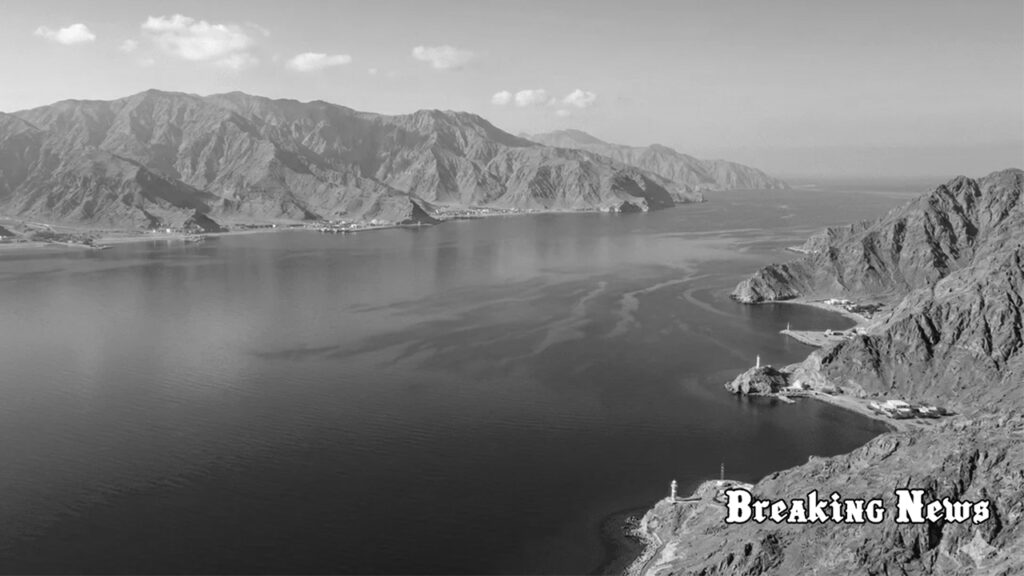
Due to hostilities between the United States and Israel against Iran that began on February 28, shipping through the Strait of Hormuz has significantly decreased. Despite this, some tankers carrying oil and liquefied natural gas have in recent days managed to leave the Persian Gulf and continue their routes to Asian countries. This is evidenced by shipping monitoring data from LSEG and Kpler.
Source: Bukvy
On Monday, two LNG tankers — Fuwairit and Al Rayyan — passed through the Strait of Hormuz.
The Fuwairit is heading to Pakistan, where it is expected to unload its cargo. The vessel, flying the flag of the Bahamas, loaded liquefied gas at Qatar’s Ras Laffan port at the end of March. It is owned by the Japanese company Mitsui O.S.K. Lines.
Another tanker, Al Rayyan, also left the strait and is transporting cargo from the same Qatari port. It is expected to deliver gas to China at the end of June.
Separately, the ultra-large tanker Eagle Verona, which is carrying Iraqi oil to China, left the Strait of Hormuz after nearly three months of inactivity. The vessel loaded about 2 million barrels of Basrah crude oil at the end of February and is heading to the port of Ningbo.
According to Reuters, Malaysia previously asked Iran to allow several ships to pass through the strait. Some of them have already left the waters, while others remain in the Persian Gulf.
The Strait of Hormuz remains a critical route for global energy supplies — about one-fifth of the world’s oil and LNG shipments usually pass through it.
Currently, ships are forced to use special routes designated by Iran, and according to estimates, around 20,000 sailors may still be stranded in the region.