
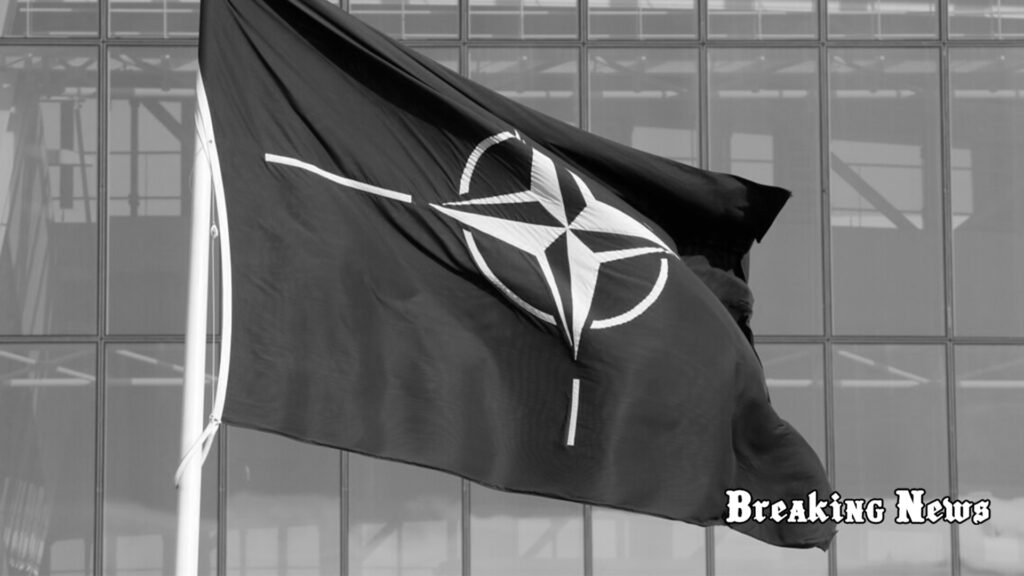
The head of Norway’s Army, Major General Lars Lervik, told The Times that NATO will now defend territory from the “first centimeter,” taking lessons from the war in Ukraine and the threat from Russia into account.
Source: Censor.NET
According to Lervik, the asymmetric tactics used by Ukraine have become valuable experience for planning the defense of Northern Europe. “Norway, Finland, the Baltic countries, and other NATO states are increasingly adopting a ‘not an inch’ policy. We are strengthening our capabilities and expanding ambitions for territorial defense… so as not to lose on the first day and remain in the fight even after four years,” he emphasized following his trip to Ukraine.
Russia is increasing military activity in the Arctic, particularly on the Kola Peninsula, where ballistic missile submarines are stationed. This region is already considered one of the most militarized in Europe. Moscow is also actively expanding its network of military bases to control new mineral deposits and the Northern Sea Route.
Strategic significance of the maritime border
Norway and Russia share a maritime border of about 1,600 km. Here, NATO monitors Kremlin submarines heading to the GIUK gap (between Greenland, Iceland, and the UK) and further into the Atlantic.
First brigade in Finnmark
Norway is establishing its first permanent brigade in Finnmark, which borders Russia. Lervik emphasized that current measures are far more serious than 10–15 years ago. “As the Russians build up their forces, we are also building up ours. This is not escalation,” the general noted.
Joint NATO plan for the North
This year, Finland and Sweden, together with Norway, will implement NATO’s unified defense plan for the High North for the first time. Allied units will operate under a single command—a structure that has not existed in Northern Europe for 500 years.
Tension around Svalbard
Russian presence in the Svalbard archipelago remains a challenge. Norway has restricted access for Russian vessels and added Murman Seafood and Norebo companies to sanctions over espionage and sabotage risks. Moscow accused Oslo of violating international agreements.
According to The Times, Oslo is cooperating with Ukraine and European partners on modern combat systems, drones, and missile technologies to counter Kremlin threats.