
In Hungary, a significant portion of voters expects tense elections and does not rule out possible abuses during voting. At the same time, the survey shows growing fears of external interference, particularly from Russia, as well as the influence of artificial intelligence on the election campaign. The research was conducted by the analytical center Political Capital. The information was published by the news portal telex.hu.
Source: OBOZREVATEL
According to the survey results, nearly half of Hungarians consider it likely that the ruling party, Fidesz, could engage in election fraud. At the same time, only about one-fifth of respondents anticipate similar actions from the opposition party, Tisa, indicating deep political polarization.

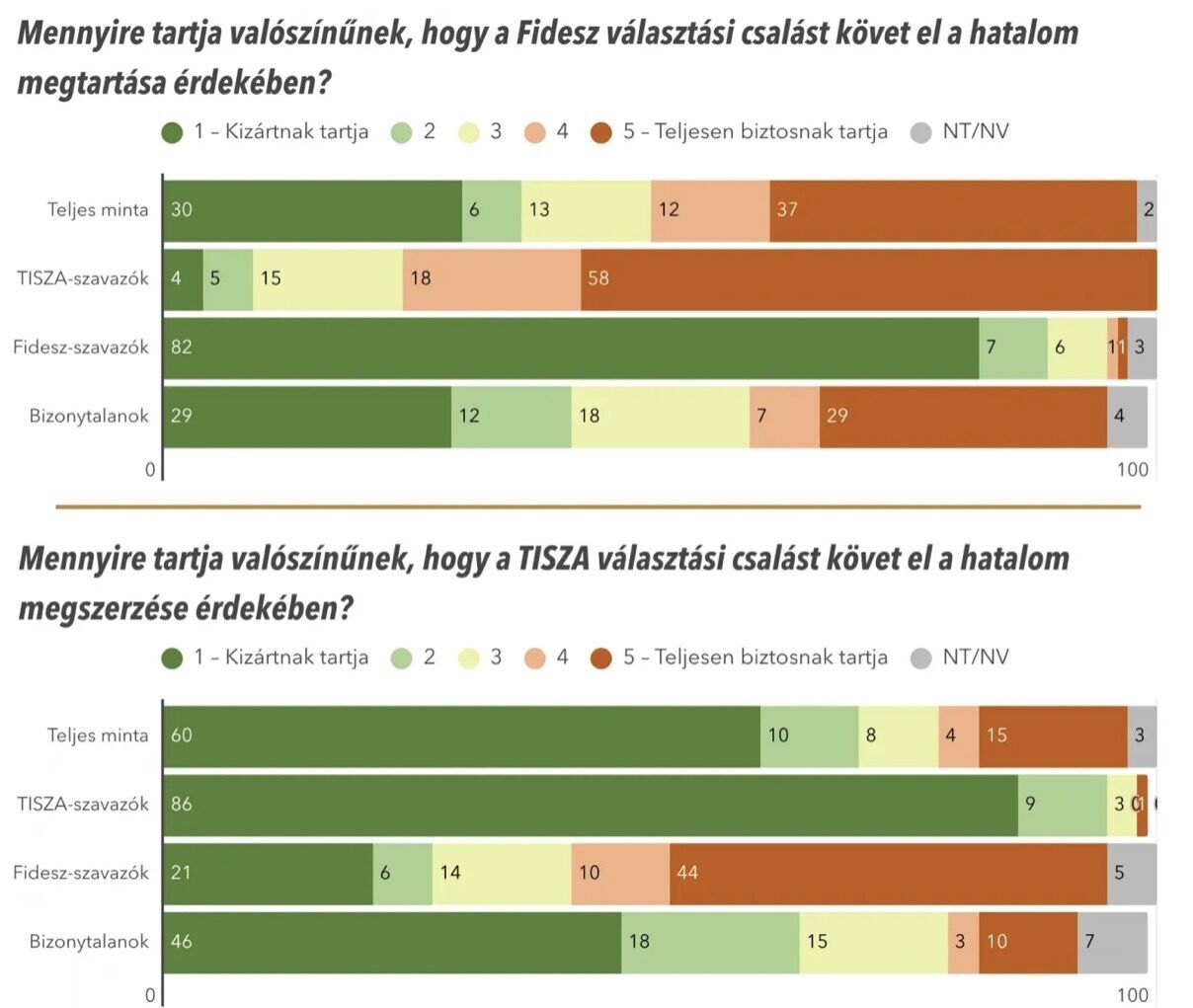
Expectations of the election results also vary: most respondents predict a victory for the opposition force, Tisa, while slightly more than a third believe that Fidesz will retain the majority. At the same time, voters often do not understand the features of the electoral system, which could result in a situation where the party with more votes does not gain a parliamentary majority.

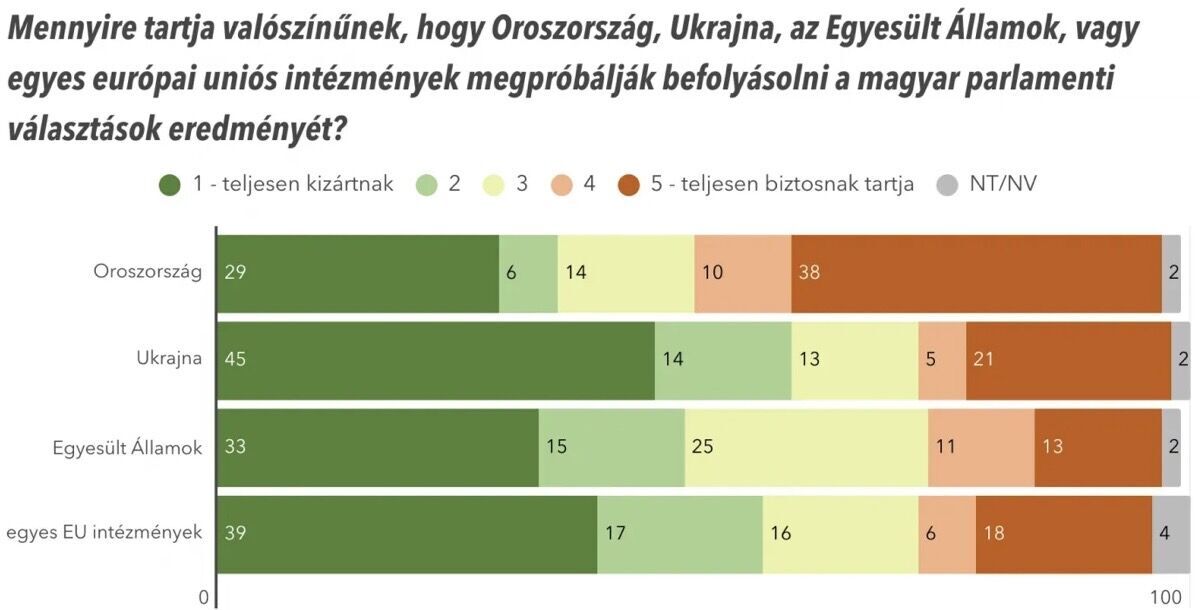
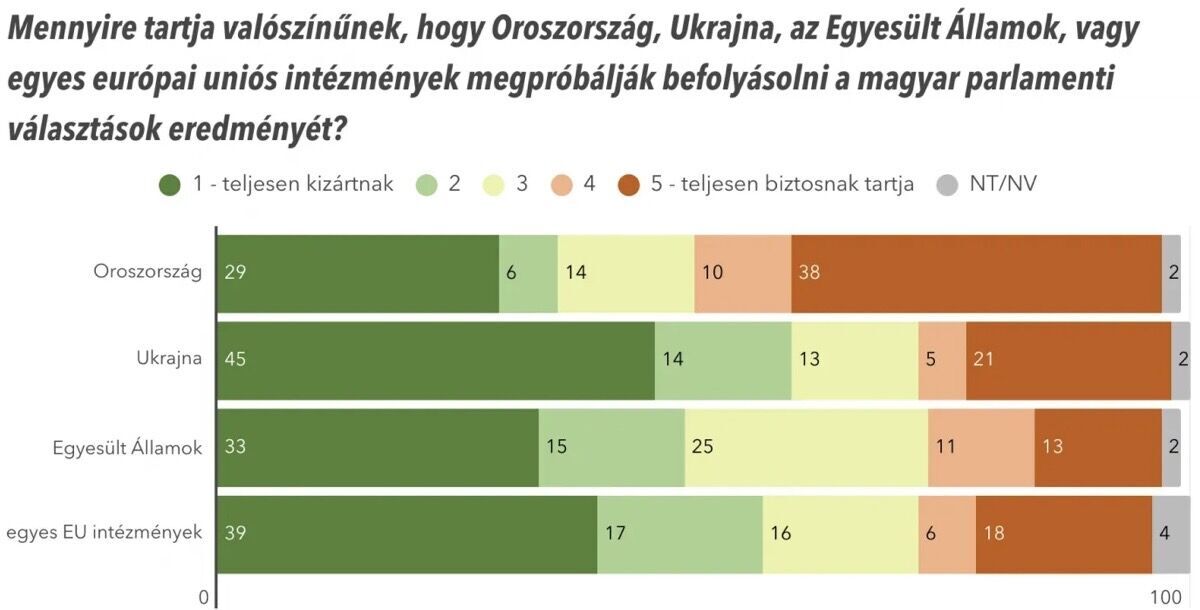
A significant portion of citizens also express concern about external interference. Respondents identify Russia as the most likely source of influence, while Ukraine, the U.S., and EU institutions are mentioned much less frequently. At the same time, political sympathies significantly affect these assessments.
A separate issue has become disinformation… Apparently, over 70% of respondents stated that they have already seen political videos created or altered using artificial intelligence. More than half of them admitted that they sometimes cannot distinguish real content from fake, although most believe that they personally are capable of recognizing manipulations.

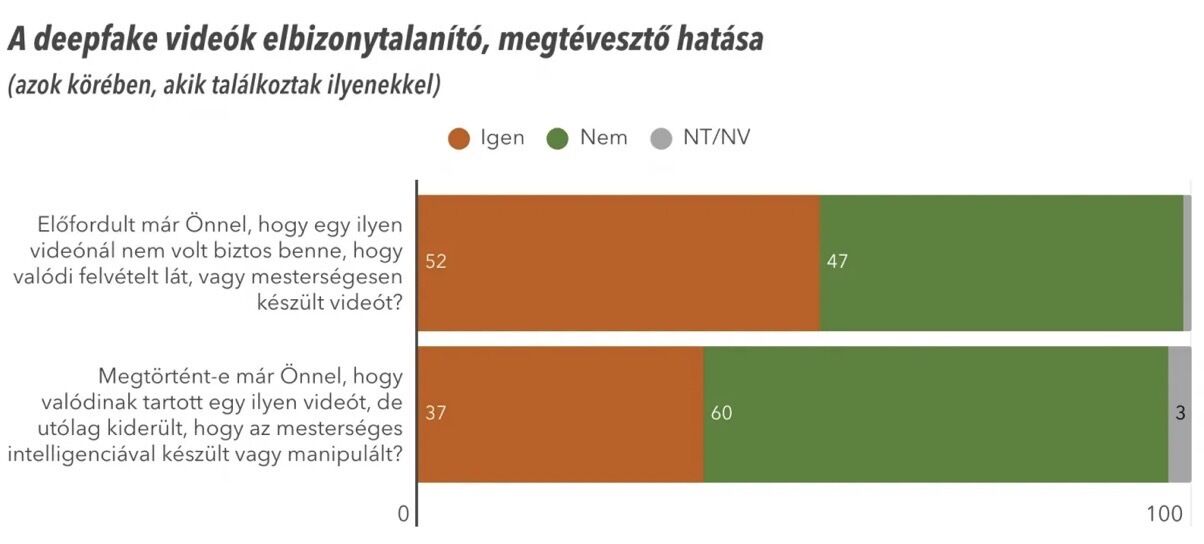
The study also showed that Hungarian society, in general, does not support the use of such technologies in politics: about 90% of respondents consider it unacceptable. At the same time, the spread of political myths and distrust of opponents remain characteristic features of both the pro-government and opposition electorates.